
Rosé wine, with its enchanting pink hue and varied aromas and flavors, has captured the hearts of wine enthusiasts worldwide. From the sun-kissed vineyards of Provence to the rolling hills of Tuscany, rosé wines delight the palate with their versatility and charm. Keep reading to learn more about the diverse world of rosé wine, exploring winemaking methods, traditional styles, regional variations, grape varieties, and pairing suggestions.
 Rosé Winemaking Methods
How does the wine turn into a pinkish hue? The grape varieties used, wine style desired, and regional wine laws all play a role in the method a winemaker may choose. Below are the 4 major rosé winemaking methods.
🌸Short Maceration Method:
The Short Maceration method is a popular technique used to produce rosé wines that emphasizes minimal skin contact with red grape varieties. In this method, red grapes are crushed, and the juice is allowed to macerate with the grape skins for a brief period, typically ranging from a few hours to a couple of days. During this short maceration time, the grape skins impart color, flavor, and aroma compounds to the juice, resulting in a pale pink hue and delicate fruit characteristics. After maceration, the juice is separated from the skins and fermented, producing a light-bodied and fruity rosé wine. Short Maceration rosés are known for their fresh acidity, vibrant fruit flavors, and floral aromatics, making them perfect for casual sipping and pairing with a variety of dishes.
🌸Direct Press Method:
The Direct Press method, also known as pressurage direct, is another technique commonly used to produce rosé wines. Unlike the Saignée method, which involves bleeding off juice from red grape must, the Direct Press method involves pressing whole red grapes gently to extract juice without extended skin contact. By pressing the grapes directly, winemakers minimize contact with the grape skins, resulting in a lighter-colored juice with subtle tannins and delicate fruit flavors. This gentle extraction process preserves the natural freshness and acidity of the grapes, producing crisp and aromatic rosé wines. Direct Press rosés are characterized by their pale pink hue, vibrant fruit aromas, and lively acidity, making them ideal for warm-weather sipping and pairing with a variety of cuisines.
🌸Saignée Method:
The Saignée method, also known as bleeding or bleeding off, is a winemaking technique primarily used to produce rosé wines from red grape varieties. In this method, a portion of the juice is “bled off” from the must (crushed grapes and skins) after a short period of skin contact. This bleeding process concentrates the remaining juice, enhancing the flavor and color intensity of the resulting red wine. The extracted juice, now lighter in color, is then fermented separately to produce a rosé wine. Saignée rosés typically exhibit a deeper pink hue and more pronounced fruit flavors compared to other rosé winemaking methods. This method allows winemakers to create rosé wines with greater depth and complexity while simultaneously improving the quality of their red wines.
🌸Blending Method:
The Blending method is a versatile approach to rosé winemaking that involves mixing red and white wines to achieve the desired color and flavor profile. Unlike other methods that rely solely on red grape varieties, blending allows winemakers to blend different grape varieties and vintages to create unique rosé blends. While blending is commonly associated with Champagne production, where it is permitted by wine law, it is also practiced in other regions to produce still rosé wines. By carefully selecting and blending wines with varying characteristics, winemakers can create rosé wines with a wide range of styles, from light and crisp to rich and complex. Blended rosés offer a harmonious balance of fruit flavors, acidity, and texture, making them versatile options for pairing with a variety of cuisines and occasions.
Traditional Styles
Provence, renowned for its pale, dry rosés, sets the standard for traditional rosé styles. Tavel in the Rhône Valley produces robust, full-bodied rosés with rich fruit flavors. Champagne stands out as the only French region allowed to produce rosé wines by blending base wines, resulting in elegant and complex sparkling rosés.
Regional Variations
Europe, the United States, South America, South Africa, Spain, Italy, Germany, Austria, New Zealand, and Australia each offer unique expressions of rosé wine. From Spain’s vibrant and fruity Rosado to Italy’s crisp and aromatic Rosato, rosé lovers can explore a kaleidoscope of flavors and styles from around the globe.
Grape Varieties
Grape varieties well-suited to rosé winemaking include Grenache, Syrah, Mourvèdre, Cinsault, Sangiovese, Tempranillo, Pinot Noir, and Cabernet Franc. These varieties contribute to the vibrant color, lively acidity, and enticing fruit aromas characteristic of quality rosé wines.
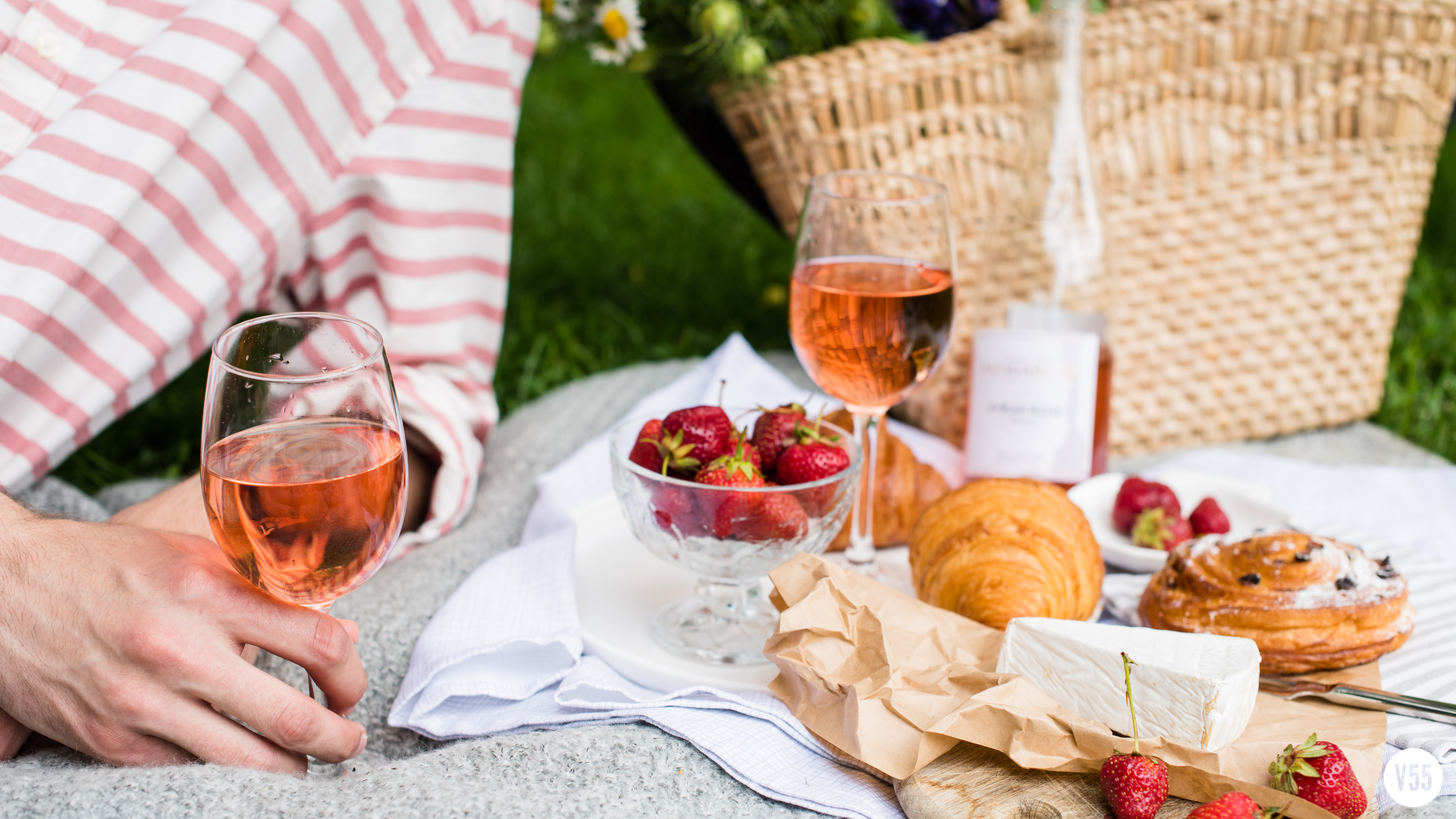 Wine and Food Pairings
🌸Provence Rosé:
Provence is renowned for producing pale, dry rosés that exude elegance and finesse. These wines are typically crafted from a blend of grape varieties, including Grenache, Cinsault, Syrah, and Mourvèdre. Provence rosés boast delicate floral aromas, vibrant citrus notes, and hints of red berries. On the palate, expect refreshing acidity, crisp minerality, and a subtle herbal undertone.
🍽️Pair Provence rosé with classic Mediterranean dishes such as grilled seafood, Niçoise salad, or ratatouille for a perfect harmony of flavors.
🌸Tavel Rosé:
Tavel, located in the southern Rhône Valley, is renowned for its robust and full-bodied rosés. Crafted primarily from Grenache, with additions of Syrah, Cinsault, and Mourvèdre, Tavel rosés exhibit a deeper pink hue and intense fruit flavors. Expect aromas of ripe strawberries, cherries, and Provencal herbs, with a touch of spice on the nose. On the palate, Tavel rosés offer a rich, velvety texture balanced by bright acidity and a lingering finish.
🍽️Pair these bold Tavel rosés with grilled lamb, charcuterie platters, or spicy Cajun cuisine for a memorable dining experience.
🌸Rosé Champagne:
Champagne stands as the epitome of elegance and refinement, and its rosé wines are no exception. Crafted using the traditional method, Champagne rosés blend Pinot Noir, Pinot Meunier, and Chardonnay base wines, with a small addition of still red wine for color and depth. These sparkling rosés showcase delicate aromas of red fruits, citrus zest, and brioche, with a fine, persistent mousse. On the palate, Champagne rosés offer vibrant acidity, creamy texture, and a complex array of flavors, ranging from raspberries and strawberries to toasted almonds and pastry.
🍽️Pair rosé Champagne with delicate dishes such as oysters, sushi, or strawberries with cream for a luxurious culinary experience.
🌸Spanish Rosado:
Spanish Rosado, or Rosado, is beloved for its vibrant color, fruit-forward flavors, and lively acidity. Crafted primarily from indigenous grape varieties like Tempranillo, Garnacha, and Bobal, Spanish Rosado offers a spectrum of flavors, from ripe red berries and citrus fruits to floral and herbal nuances. On the palate, expect crisp acidity, refreshing minerality, and a lingering finish.
🍽️Pair Spanish Rosado with an array of tapas, including grilled vegetables, seafood paella, or spicy chorizo for a taste of Spain’s vibrant culinary traditions.
🌸Italian Rosato:
Italian Rosato, known as Rosato in Italy, reflects the country’s diverse terroirs and grape varieties. Crafted from indigenous grapes like Sangiovese, Montepulciano, and Primitivo, Italian Rosato wines vary in style from light and floral to bold and fruity. Expect aromas of fresh strawberries, cherries, and Mediterranean herbs, with a touch of citrus zest. On the palate, Italian Rosato offers crisp acidity, supple tannins, and a bright, refreshing finish.
🍽️Pair Italian Rosato with antipasti, Margherita pizza, pasta with tomato-based sauces, or fresh caprese salad for a taste of la dolce vita.
🌸New World Rosé:
New World regions like California and New Zealand offer a diverse range of rosé styles, showcasing the versatility of grape varieties and winemaking techniques. California rosés, often crafted from grapes like Pinot Noir, Grenache, and Zinfandel, boast ripe fruit flavors, balanced acidity, and a hint of floral complexity. New Zealand rosés, made from grapes like Pinot Noir and Merlot, offer vibrant acidity, bright fruit aromas, and a crisp, refreshing palate.
🍽️Pair New World rosés with casual fare such as grilled chicken, salmon, or summer salads for a laid-back yet flavorful dining experience.
Rosé wine’s versatility and approachability make it a delightful companion to a wide range of cuisines, from light salads to hearty grilled meats. Whether sipping on a crisp Provençal Rosé or indulging in a Champagne Rosé, the world of rosé wine invites exploration and enjoyment, and endless pairing possibilities. Cheers, and drink pink!